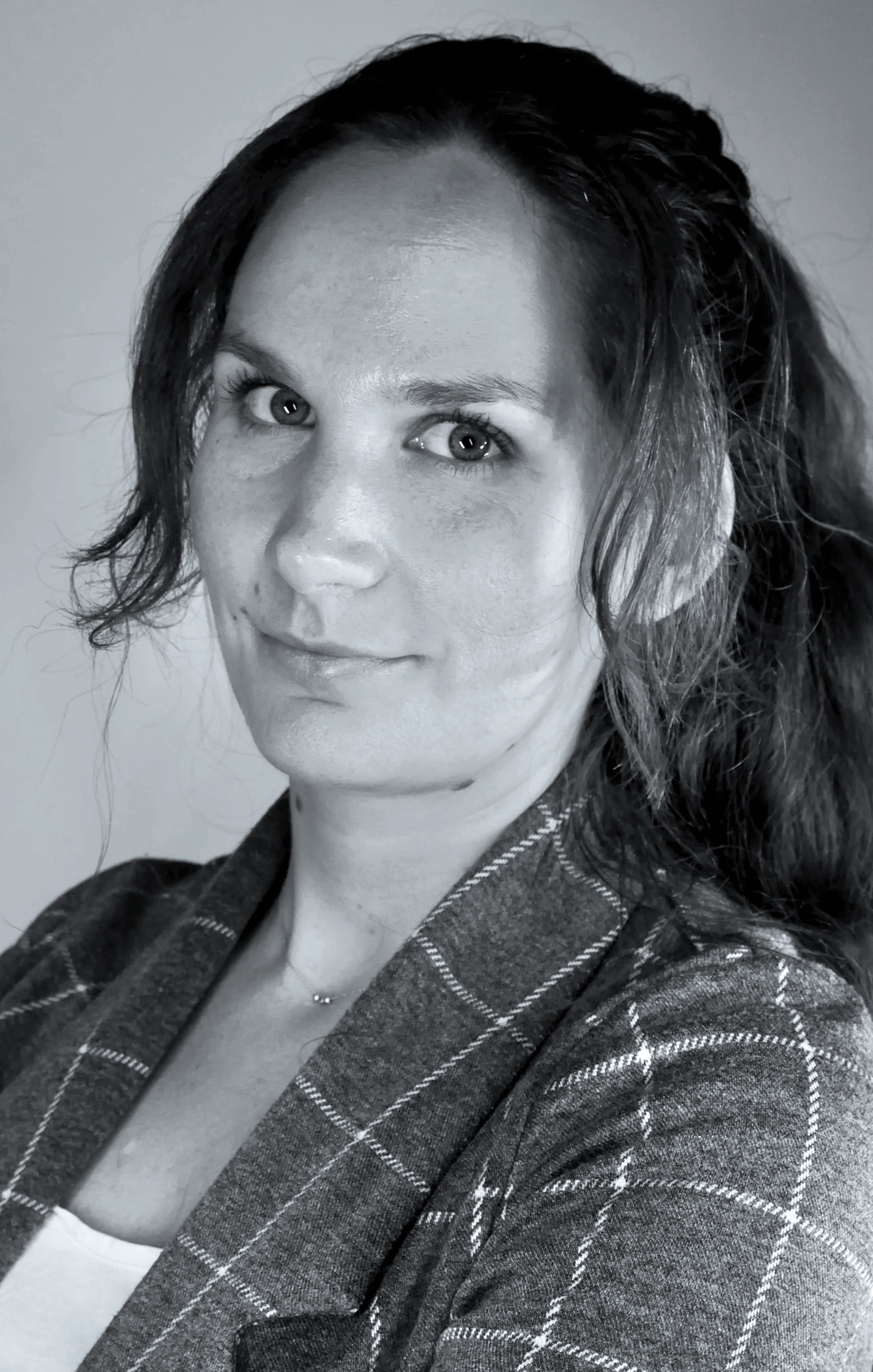
Lilli Fischer’s artistic practice has been shaped by more than fifteen years of work within leading European and international opera houses and festivals.
Her academic training in Theatre, Film and Media Studies and Musicology at the University of Vienna laid the theoretical foundation for her structural and musical approach to opera. This perspective was further formed through her long-term engagement at the Vienna State Opera as assistant and revival director. Working within one of the world’s most demanding repertoire systems, she developed a rigorous rehearsal practice, a deep familiarity with large-scale productions and a precise understanding of how musical structure shapes dramatic action.
Collaborations with directors such as Irina Brook, David McVicar, Kirill Serebrennikov, Simon Stone and Dmitri Tcherniakov exposed her to diverse aesthetic approaches and sharpened her focus on psychological clarity and structural precision. Close work with conductors including Simone Young, Philippe Jordan, Marco Armiliato, Evelino Pidò and Cornelius Meister further strengthened her musical orientation and interpretative depth.
Since 2023, she has been working as a freelance director, bringing this experience into her own productions. Recent and upcoming projects include Die Fledermaus at the Tokyo Spring Festival (2025) and Gianni Schicchi in Winterthur (2026), opening with an original prequel she conceived for the production.
Lilli Fischer is an Austrian opera director. Her work is driven by the conviction that opera gives human tensions a unique density. Music sustains emotion, prolongs confrontation and makes inner processes not only audible but physically tangible to the audience.
Her productions build on this intensity, creating focused theatrical spaces in which characters are exposed in their contradictions.
She approaches each work as a concentrated field of power, desire and vulnerability. Musical and dramatic structures evolve together. Shifts in rhythm, harmony and timing generate shifts in proximity, distance and control between characters. Conflict becomes visible through spatial clarity and psychological precision.